
Inverter Repair
If your system has a fault, every hour of sun it misses is money lost
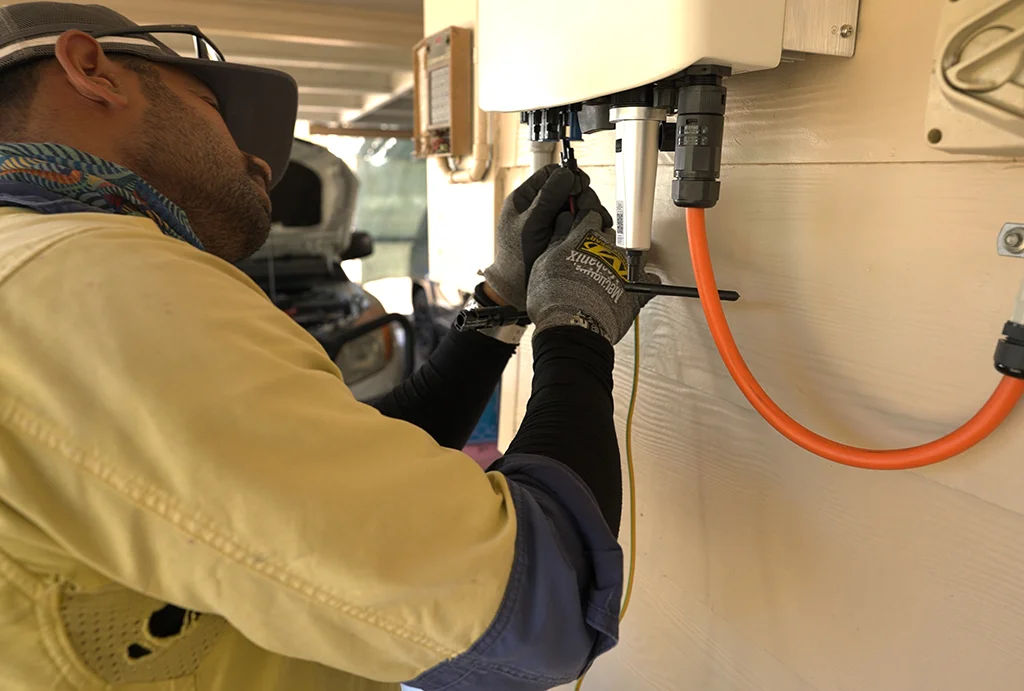
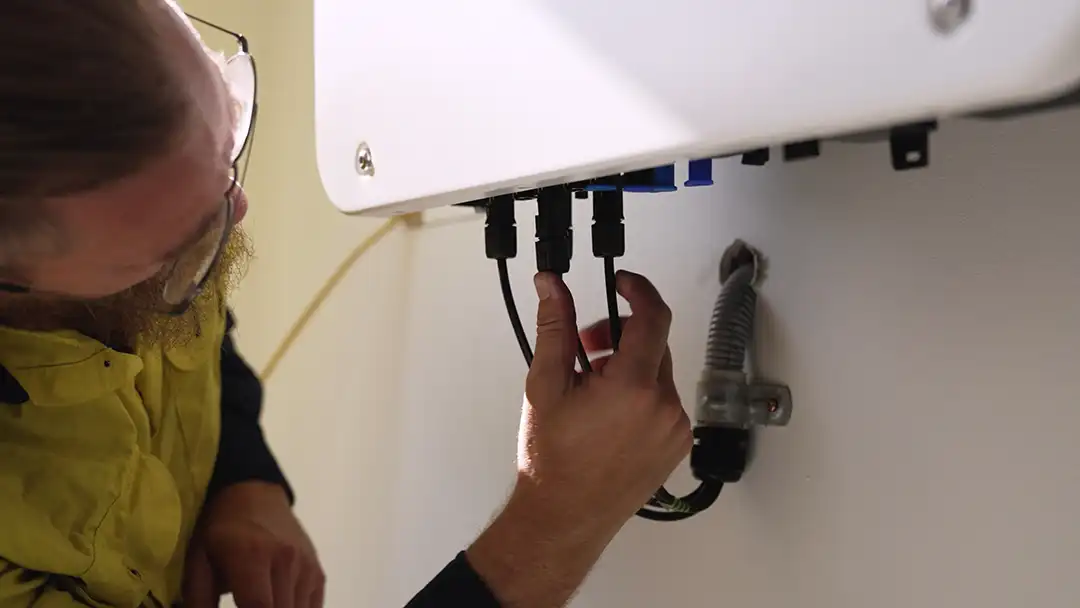
Your inverter is the engine of your solar system. When it develops a fault, your panels keep absorbing sunlight but none of it converts to usable power. Every hour that fault goes unresolved is generation you are not getting and money you are not saving.
The problem is that inverter faults do not always announce themselves clearly. A flashing red light or an error code is obvious. But many faults cause gradual, silent underperformance. Your inverter stays green. Your system looks like it is working. Your power bill quietly climbs.
In Townsville’s tropical coastal environment, inverter faults are more common than in most Australian cities. Salt air and high humidity accelerate corrosion of terminals and cabling. Intense UV degrades plastic components. Heavy seasonal rainfall finds its way into casings that have cracked or aged. The combination means a system that was performing well when installed can develop issues years before you would expect it to.
We diagnose and repair inverter faults on all makes and brands across Townsville and North Queensland. If your original installer is no longer around, we step in.
What we find
Common inverter faults we diagnose and repair
What we do
Repair or replace — getting you an honest answer
When an inverter develops a fault, there are three possible outcomes: the fault can be repaired, the inverter can be replaced, or in some cases the fault clears and the system resumes normal operation after investigation.
We give you an honest assessment of which path makes sense based on the inverter’s age, the nature of the fault, the repair cost relative to a replacement, and whether the inverter is still within its manufacturer warranty. We do not recommend replacement when a repair is the right answer, and we do not suggest costly repairs on inverters that are at end of life.
If a replacement is the right call, we can supply and install quality inverter brands including Fronius, Sungrow and GoodWe. Where an inverter upgrade also presents an opportunity to add battery storage, we will flag that at the same time.
Townsville
Why Townsville inverters need attention more often
Most inverter manufacturers and national solar industry guidelines recommend a professional inspection every one to two years. In Townsville’s tropical coastal environment, the Queensland Electrical Safety Office and local conditions support the case for annual checks.
The combination of salt air, high humidity, intense UV and seasonal heavy rainfall means components degrade faster here than in most Australian cities. Rooftop DC isolator casings crack earlier under UV exposure. Corrosion develops faster on electrical terminals. And when those degraded components meet a North Queensland wet season downpour, the result can be a ground fault or, in serious cases, a fire risk.
A green light on your inverter does not mean your system is healthy. It means the inverter is receiving power. The only way to know whether your system is performing as it should is a professional check that gets on the roof and looks at the whole picture.
Inspection packages
Three levels of inspection to suit your situation
We carry three inspection packages to match different situations. If your system has shut down or is showing a fault code, the Bronze inspection is designed for that. If you want a scheduled annual check with a professional report, the Silver is our most popular option. If you want the most thorough assessment available, including panel cleaning and detailed electrical testing, the Gold inspection covers everything.
Not sure which level you need? If your system has a fault or has shut down, start with Bronze. For a scheduled annual check, Silver is the right choice. If you are buying a house with solar or suspect a significant underperformance issue, Gold gives you the most complete picture. Call us on 07 4779 7798 and we will point you in the right direction.
Common questions
Solar inverter questions, answered
My inverter light is green. Does that mean it is working properly?
A green light means the inverter is receiving power, not that it is producing at full capacity. A system can be running at significantly less than its rated output without triggering any alarm. If your power bill is higher than expected, a performance check is the only way to know whether your system is underperforming.
Can inverter faults be repaired, or does the inverter always need to be replaced?
Many faults can be repaired, particularly if the inverter is still under manufacturer warranty or the issue is isolated to a specific component. We assess each case on its merits and give you a straight answer on whether repair or replacement is the right call based on the inverter’s age, the fault and the cost comparison.
Do you service inverters you did not install?
Yes. We diagnose and repair inverter faults on all makes and brands regardless of who installed the system. If your original installer has closed down or is no longer contactable, we can take over.
How long does an inverter diagnostic visit take?
Most diagnostic visits are completed within a few hours. We provide a written report the same day. If the fault requires parts to be ordered for repair, we will advise on the turnaround time when we quote.
My inverter is showing an isolation fault. Is it safe to leave it?
An isolation fault means the system has detected a potential electrical leakage and has shut down as a safety measure. Do not attempt to restart it manually. Call us and we will attend to diagnose the cause. Isolation faults can indicate water ingress in rooftop isolators or damaged wiring, which needs to be confirmed and rectified before the system is restarted.
How often should I have my inverter professionally checked in Townsville?
We recommend annually for systems in the Townsville region. The tropical coastal environment accelerates the degradation of components faster than most parts of Australia, and an annual check catches issues before they become failures. It also maintains the maintenance record that inverter manufacturers may require for warranty claims.
What our inverter diagnostic visit covers
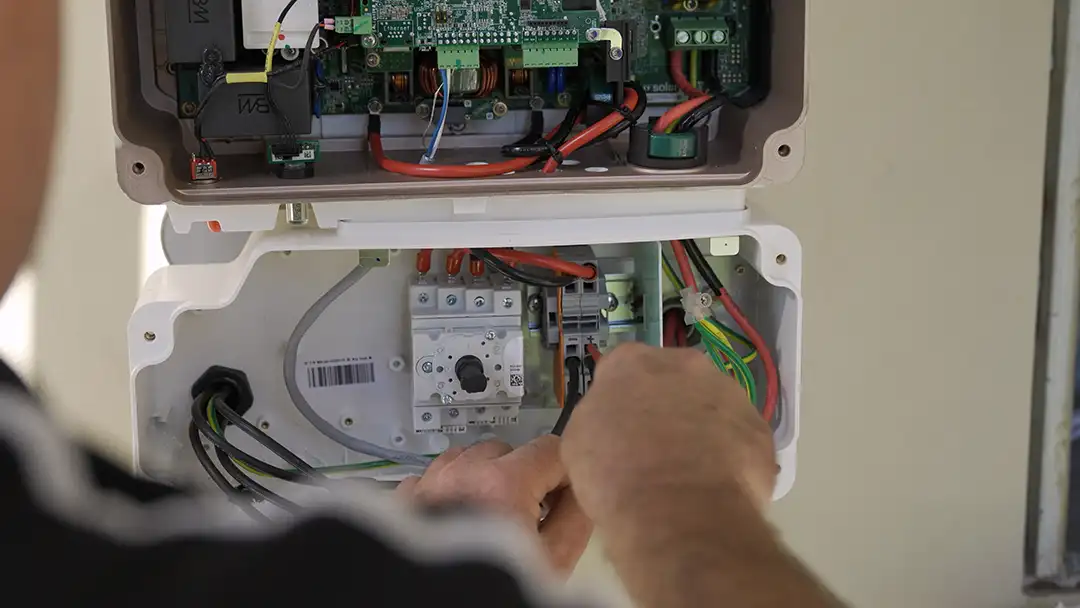
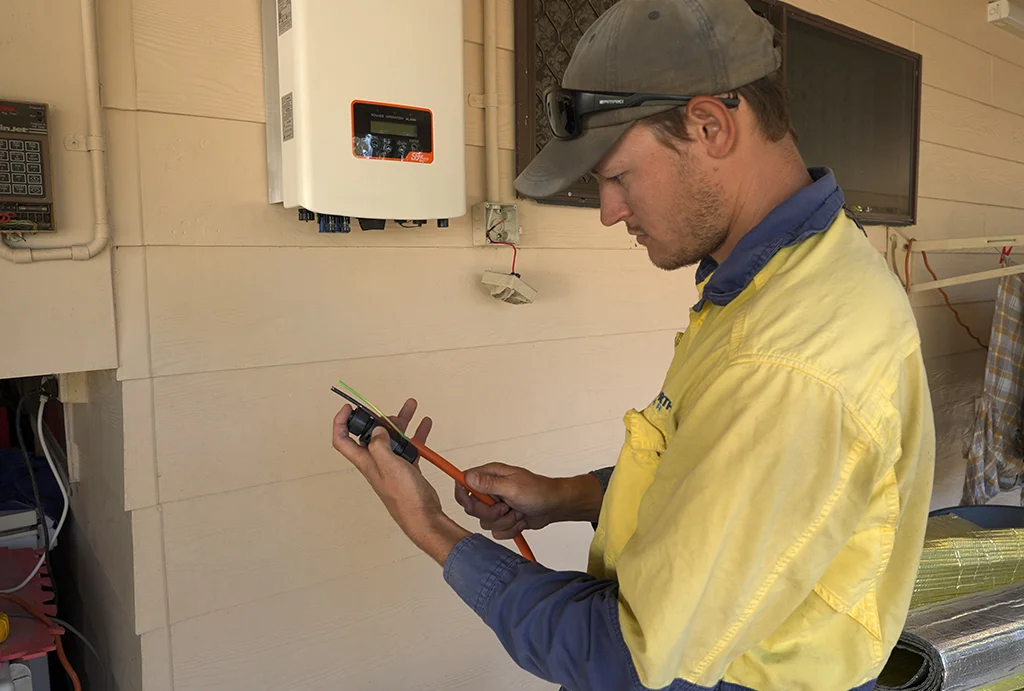
When we attend your property, our technician works through the full system, not just the inverter itself. Inverter faults are often symptoms of issues elsewhere in the system, and resolving them properly means understanding the full picture.
We check the inverter’s operation state, alarm history and fault codes, and compare current production against what the system should be generating based on the panel layout and conditions. We inspect rooftop isolators and DC wiring for signs of water ingress, corrosion or UV degradation. We verify that the system configuration is correct and that all strings are producing as expected.
You receive a professional digital report of the findings the same day, produced using our proprietary Solar Inspection App. The report documents the system’s condition, any faults identified and the recommended course of action, whether that is a repair, a component replacement or further monitoring.


