
Best long-term return
Option 1 — Cash purchase
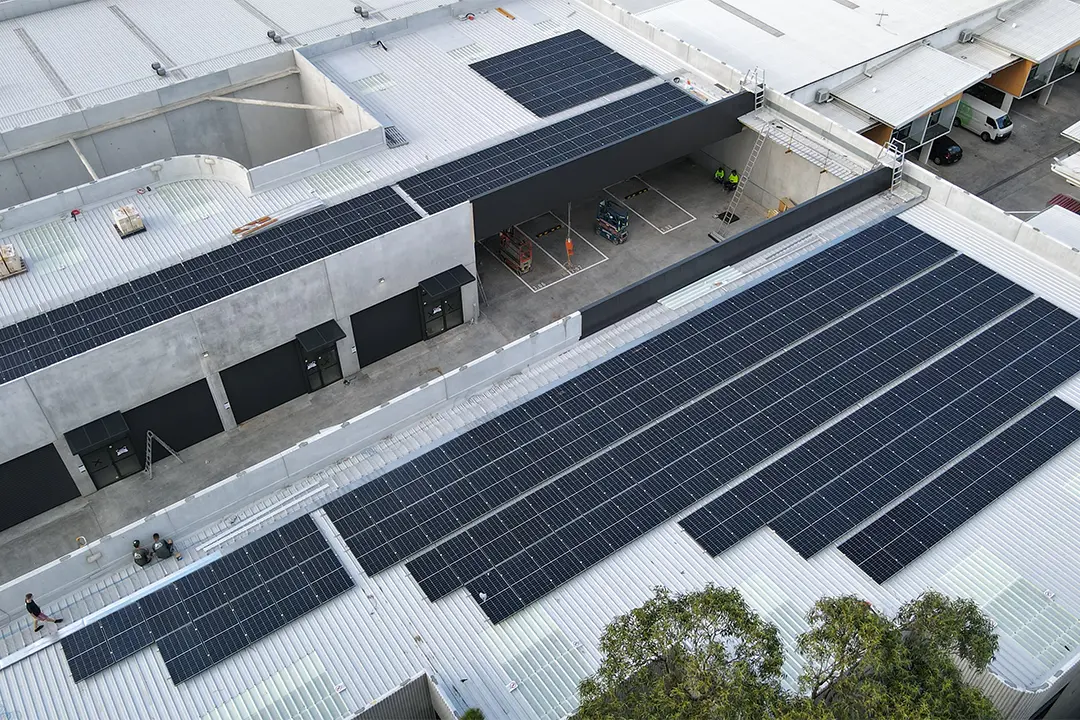
A cash purchase is the most straightforward option and delivers the highest return over the life of the system. You pay the full cost upfront, take ownership of the asset immediately and start generating savings from day one. There are no loan repayments, no interest costs and no finance company to deal with.
For businesses with available capital, cash is almost always the right answer. The return on investment for a well-sized commercial solar system in North Queensland is typically 30 to 40% per year, which compares favourably to most other business investments of similar size. The system pays for itself within three to four years and continues generating savings for the remainder of its 25-year-plus life.
Cashflow positive from day one
Option 2 — Green loan finance
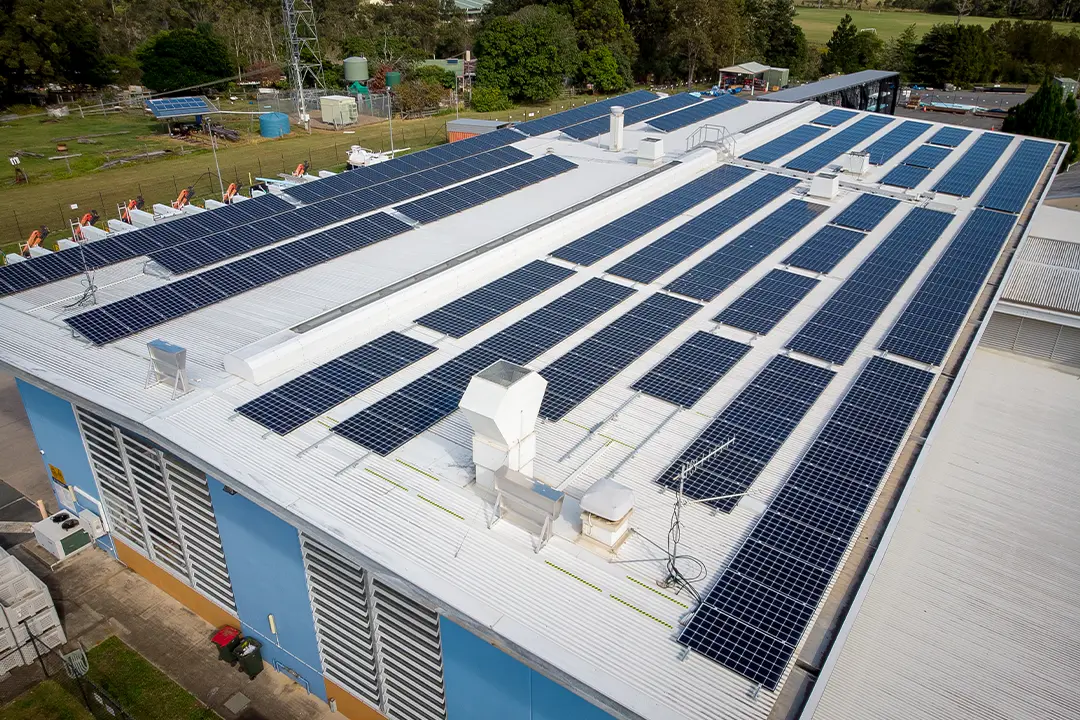
Green loan finance allows you to install a commercial solar system with no upfront capital outlay. The system is funded through a loan with repayment terms of three to ten years. Because a well-sized solar system generates meaningful savings from the first month, most commercial solar finance arrangements are cashflow positive from day one, meaning the savings on your power bill exceed your loan repayments.
This option is well suited to businesses that want the financial benefits of owning a solar system without tying up capital. The return is lower than a cash purchase because of interest costs, but for businesses that deploy capital elsewhere at a high return, financing solar can still make strong financial sense.
No ownership, no maintenance
Option 3 — Power Purchase Agreement
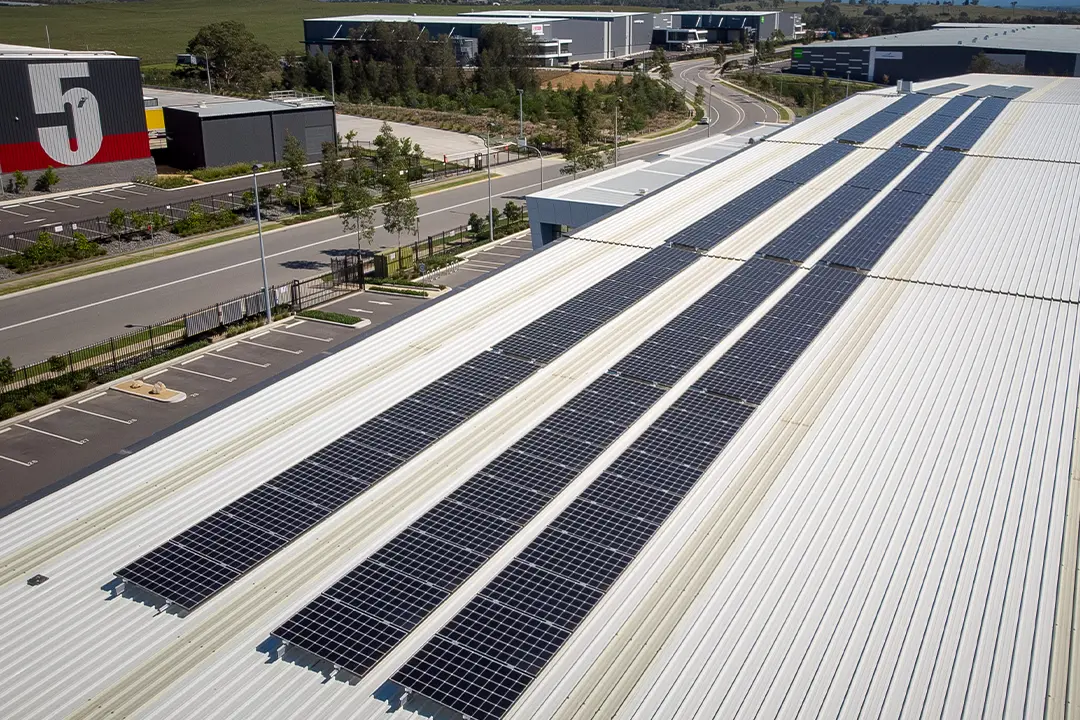
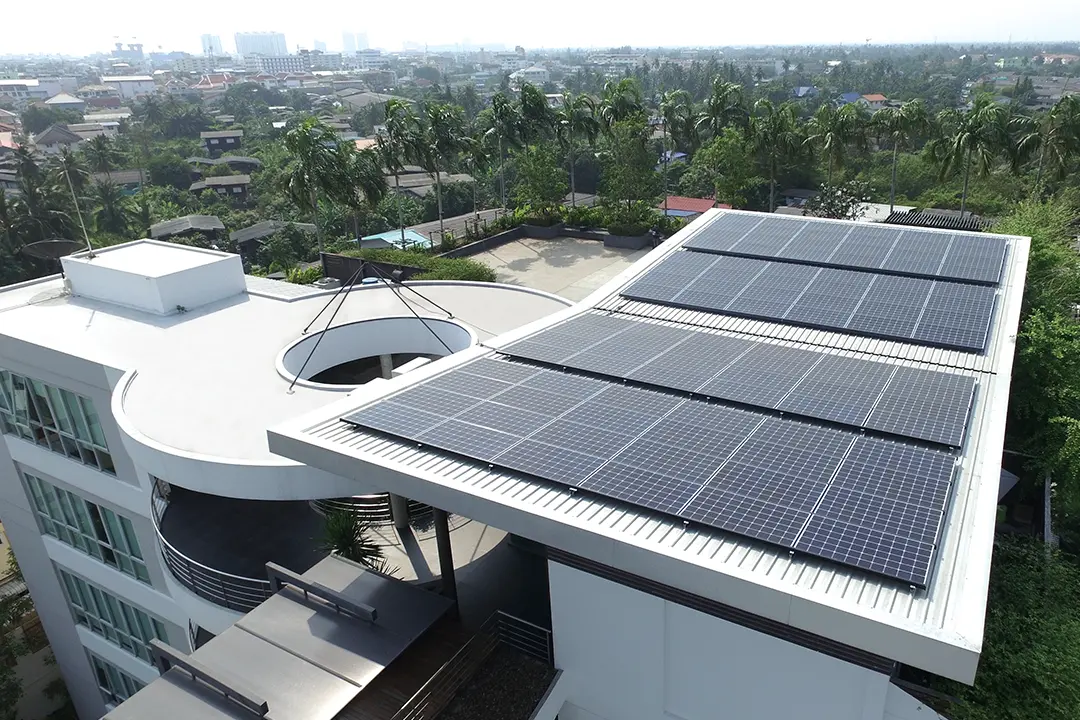
A Power Purchase Agreement, or PPA, is a different model entirely. Rather than buying or financing a solar system, you agree to purchase the solar power the system generates at a fixed per-kWh rate, which is lower than the retail rate you currently pay. The system is owned and maintained by the finance provider, not your business.
A PPA requires no capital, no loan and no maintenance responsibility. The trade-off is that the per-kWh rate you pay for solar power under a PPA is higher than what you would pay generating it yourself through a purchased or financed system, and the typical term is ten to fifteen years. The overall return over the life of the agreement is lower than the other two options, but for businesses that cannot commit capital or want to eliminate maintenance responsibilities entirely, it can be appropriate.
Common questions
Finance questions, answered
Which finance option delivers the best return?
Cash purchase delivers the highest return. With no interest or finance costs, every dollar of savings goes straight to your bottom line. The return on investment is typically 30 to 40% per year and the system pays for itself in three to four years. Green loan finance delivers the second-best return. A PPA delivers the lowest return but requires no capital or loan.
Can solar finance be cashflow positive from day one?
Yes, for a correctly sized system. When your power bill savings exceed your loan repayments from the first year, the system is cashflow positive before it is even paid off. We model this for your specific energy usage and system size in the quote.
Are there tax benefits to buying a commercial solar system?
Yes. A solar system is a depreciable business asset and may attract significant tax advantages in the year of installation depending on your business structure and the applicable depreciation rules. We recommend discussing this with your accountant alongside our ROI projections.
Does the STC rebate apply to financed systems?
Yes. The federal STC rebate reduces the installed cost of the system regardless of how it is funded. It applies to cash purchases and financed systems equally and is applied directly to your quote by us.
What is the difference between a PPA and a green loan?
With a green loan, you own the system and receive all the financial benefits including the STC rebate, depreciation and the feed-in tariff. With a PPA, you do not own the system. You simply pay per kWh for the solar power it generates at a rate below the retail tariff. Green loans deliver a better return. PPAs suit businesses that cannot or prefer not to take on a loan.
How do I know which option is right for my business?
Bring us a recent power bill and we will model all three options for your specific situation, showing the savings, return and cashflow impact of each. Most businesses find the right answer is clear once they see the numbers side by side.
Finance options at a glance
Cash — ROI
30 to 40% per year
Cash — payback
3 to 4 years
Cash — deposit
Full cost upfront
Finance — deposit
Zero deposit
Finance — terms
3 to 10 years, up to $100,000
Finance — cashflow
Positive from year one
PPA — deposit
Zero
PPA — term
10 to 15 years
PPA — maintenance
Provider responsibility
STC rebate
Cash and finance only