
44 cent feed-in tariff guide
Got a 44 cent feed-in tariff system? Here is what you need to know before 2028
This page is for Townsville homeowners who already have a solar system on the legacy 44 cent feed-in tariff. If you are looking to install new solar, the 44 cent tariff is no longer available. Head to our residential solar page instead.
If you are one of the thousands of Townsville homes still on this tariff, there are some important decisions coming up and we have been helping local customers work through them for years.
The basics
What is the 44 cent tariff and when does it end?
The 44 cent feed-in tariff was a Queensland Government incentive scheme that paid eligible solar owners 44 cents for every kilowatt hour of solar power they exported to the grid. It applied to systems installed during the early years of the solar boom, roughly 2008 to 2012, and was one of the most generous solar incentives ever offered in Australia.
The current standard feed-in tariff for new solar systems in Queensland is a fraction of that. So if you are still on the 44 cent rate, it is genuinely valuable and worth protecting for as long as it remains available.
The 44 cent feed-in tariff is scheduled to end on 30 June 2028. After that date, your system will roll onto the standard feed-in tariff rate like everyone else.
Check your system first
Is your 44 cent system still performing?
Before making any decision about what to do with your 44 cent system, the first step is finding out whether it is actually working properly. Many systems from this era are still generating but at a fraction of their original output, often without the owner realising.
Signs your 44 cent system may need attention include power bills that are higher than they used to be, solar credits on your electricity bill that are smaller than expected, an inverter that is showing an alarm light, or a system you have not had professionally inspected in several years.
In Townsville’s tropical coastal environment, systems from this era are particularly prone to water ingress in rooftop DC isolators, corroded connections, degraded panels and ageing inverters. Some of these issues are repairable. Others mean the system is approaching end of life.
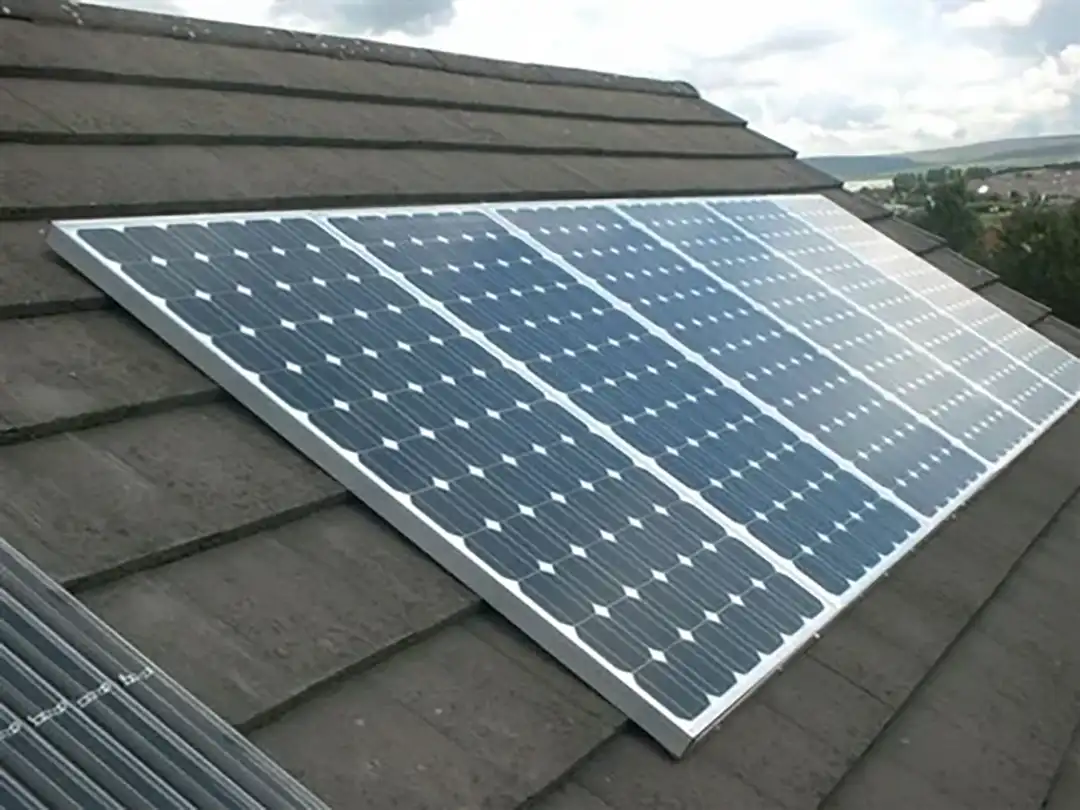
We carry out inspections specifically for 44 cent tariff systems. We assess the condition of your panels, inverter, rooftop isolators and cabling, and give you a clear picture of what your system is doing and what condition it is in before you make any decisions.
Your options
The key decision: keep the tariff or upgrade?
This is the central question for every 44 cent tariff customer, and the answer is different for every household. The key constraint is that you cannot increase the size of your inverter or add more panels without losing the 44 cent tariff. If you upgrade to a larger system, you automatically move to the standard rate.
As a general guide, system size is the starting point for this decision.
This is not a decision to make based on a general rule alone. It depends on your household power usage, how much you are currently exporting, the condition of your existing system and what a replacement would cost. We have worked through this exact calculation with hundreds of Townsville customers over the past few years. A 30 minute conversation with us, combined with a look at your recent electricity bill, is usually enough to give you a clear answer.

Planning ahead
What happens after June 2028?
When the 44 cent tariff ends, your system automatically moves to the standard feed-in tariff rate. That is a significant drop in the credit you receive for exported solar. Your power bill will change noticeably if you have been relying on those credits.
The good news is that by June 2028 you will have several options that make a lot of financial sense. Battery storage technology has improved dramatically and prices have come down significantly. The federal Cheaper Home Batteries Program provides an upfront discount on eligible battery installations. A modern solar and battery system installed after 2028 will be able to offset far more of your consumption than your original system was ever designed to, including your evening air conditioning load.
If you are on a 44 cent system, we recommend thinking about your post-2028 plan now rather than waiting until the tariff expires. Knowing what you want to do means you can make a planned decision rather than a rushed one.
Common questions
44 cent tariff questions, answered
Can I add a battery without losing my 44 cent tariff?
Adding a battery to a 44 cent system is a grey area that depends on how the battery is configured and connected. In some configurations it may affect your eligibility. This is something we assess on a case by case basis. Do not add a battery to a 44 cent system without speaking to us first, as getting this wrong could cost you the tariff.
My power bills have gone up even though I have solar. Why?
There are a few possible reasons. Your system may be underperforming due to ageing panels, a faulty inverter or rooftop isolator issues. Your household power usage may have increased. Or the system may have developed a fault that has gone undetected. A professional inspection is the only reliable way to find out which it is.
Can I replace my inverter without losing the tariff?
Replacing a like-for-like inverter of the same capacity generally does not affect the tariff, but this needs to be confirmed with Ergon before any work is carried out. We manage this process for customers and make sure any replacement is done correctly to protect the tariff.
Should I upgrade now or wait until 2028?
It depends on your system size and condition. If your system is larger than 3.5kW and working well, protecting the tariff until 2028 is usually the better financial decision. If it is smaller, underperforming or requires significant repairs, upgrading now to a modern system with battery storage may deliver better overall savings even at the standard rate. We can run through the numbers with you based on your actual Ergon bill.
What should I do to make the most of my tariff before 2028?
Three things. First, get your system inspected to make sure it is actually performing at its best. Second, make sure you are exporting as much as possible by running big appliances at night and letting solar export during the day. Third, start planning what you want to do after 2028 so you are not making a rushed decision when the tariff ends.
Do you service 44 cent systems you did not install?
Yes. Most of the companies that installed these systems are no longer in business. We are the only local solar company still operating that predates the 44 cent tariff era. We inspect, repair and service systems regardless of who originally installed them.