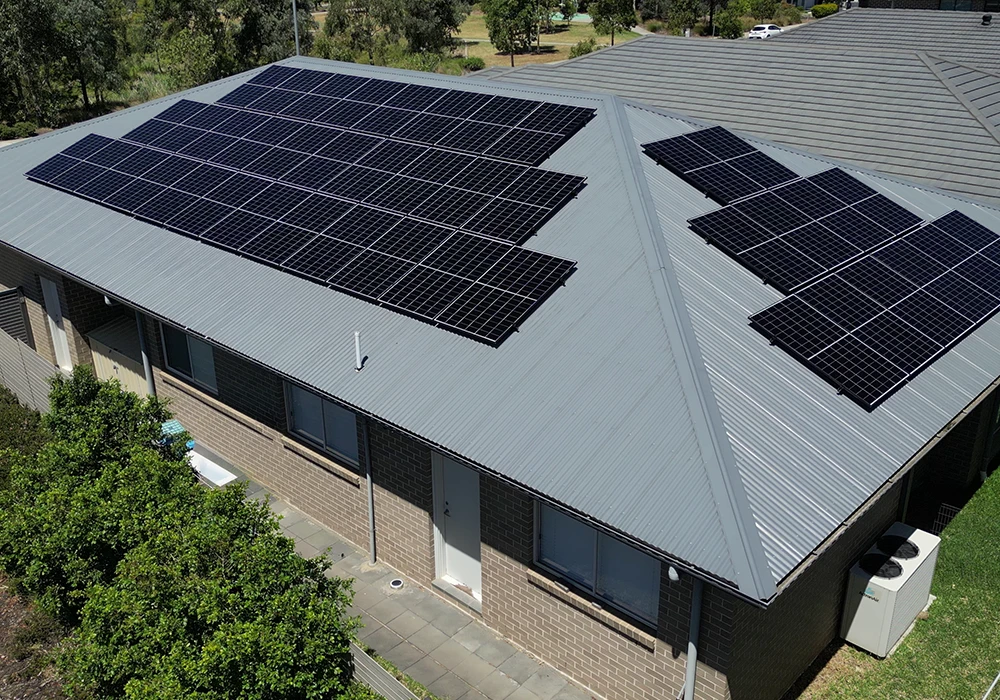
Solar system sizing guide
What solar system size do I need for my Townsville home?
This is one of the most common questions we get asked. And honestly, the answer is different for every home. It depends on how much power you use, when you use it, what your roof looks like and whether you are thinking about adding a battery down the track.
This guide walks you through the things that actually matter when sizing a solar system for a Townsville home. No jargon, just plain advice from people who have been doing this here since 2005.
Step one
Start with your power bill, not a system size
A lot of people come to us already thinking they want a 6.6kW system because a neighbour or a mate told them that is what they need. Sometimes they are right. Sometimes they need more. Sometimes they need less. The only way to know is to look at your actual power usage.
Your energy bill shows your consumption in kilowatt hours, usually broken down by quarter. That number is the starting point. If you are using around 20 to 25 kWh per day on average, a 6.6kW system will cover a reasonable portion of that in Townsville’s conditions. If you are running a big household with multiple air conditioners and a pool, you might be using 40 to 50 kWh a day, and a larger system makes more sense.
When we come out for your free site assessment, we will go through a recent Ergon bill with you. That single piece of information tells us more than anything else about what size system you actually need.
The Townsville advantage
Why Townsville homes can generally go bigger
Townsville gets around 320 sunny days a year. That means your system generates more power per kW of installed capacity than the same system would in Sydney or Melbourne. A 6.6kW system in Townsville consistently outperforms a 6.6kW system in a less sunny city.
What that means practically is that sizing up makes even more sense here. The extra panels pay for themselves faster because they generate more, and if you plan to add a battery later, you want enough solar generation to fill it during the day.
The other thing worth knowing is that Townsville homes tend to have high air conditioning loads, especially through the wet season. AC running in the afternoon and evening draws a lot of power. A bigger solar system generates more during the day, which either offsets more of your consumption directly or gives you more to store in a battery for the evening. Either way, you benefit from having more generation capacity in this climate than you might in a cooler city.
Roof suitability
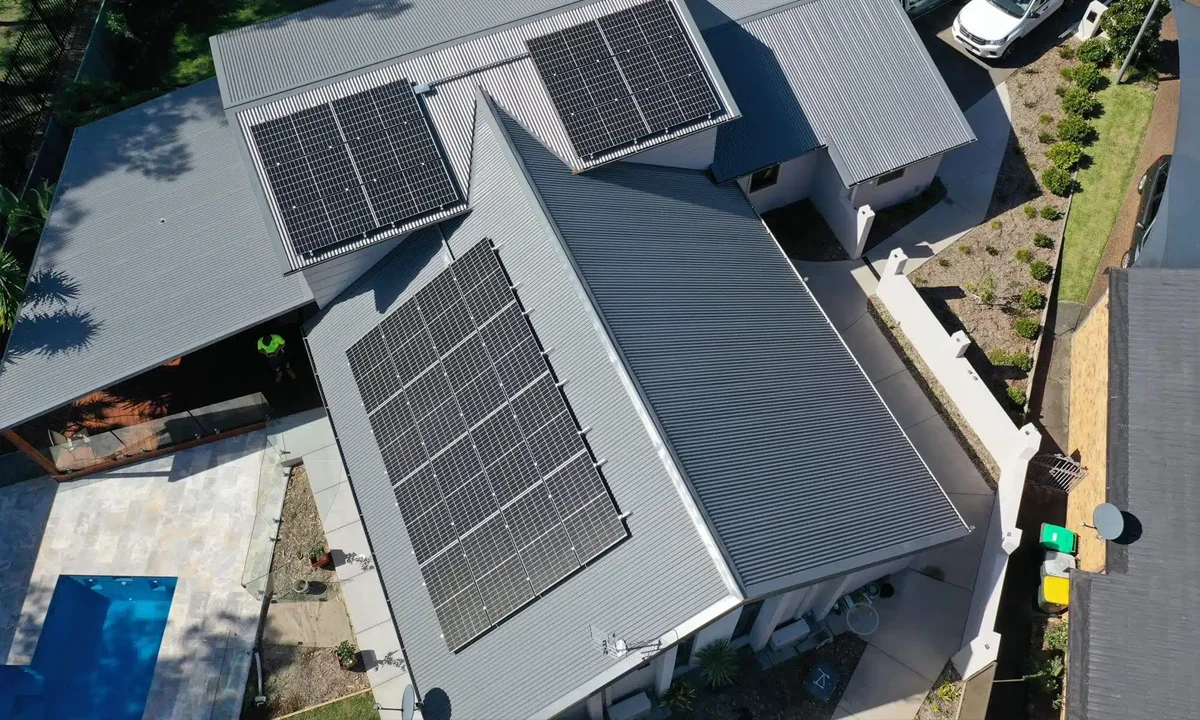
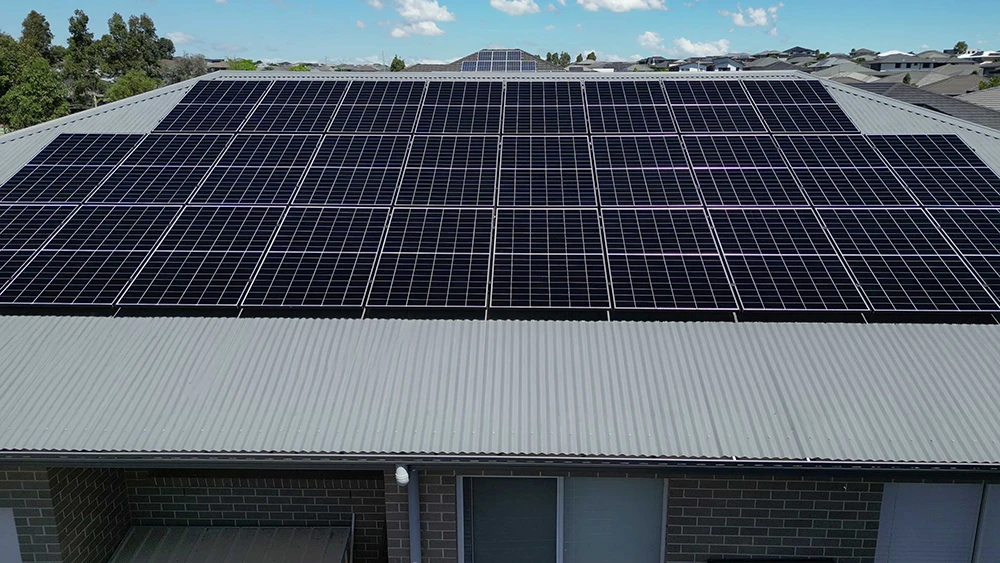
Your roof matters more than most people realise
You can have the right size system on paper and still get disappointing results if the roof is not suitable. Here are the things we check when we visit.
Planning ahead
Should I size for a battery even if I am not getting one yet?
Yes, and this is something we always discuss during a site assessment.
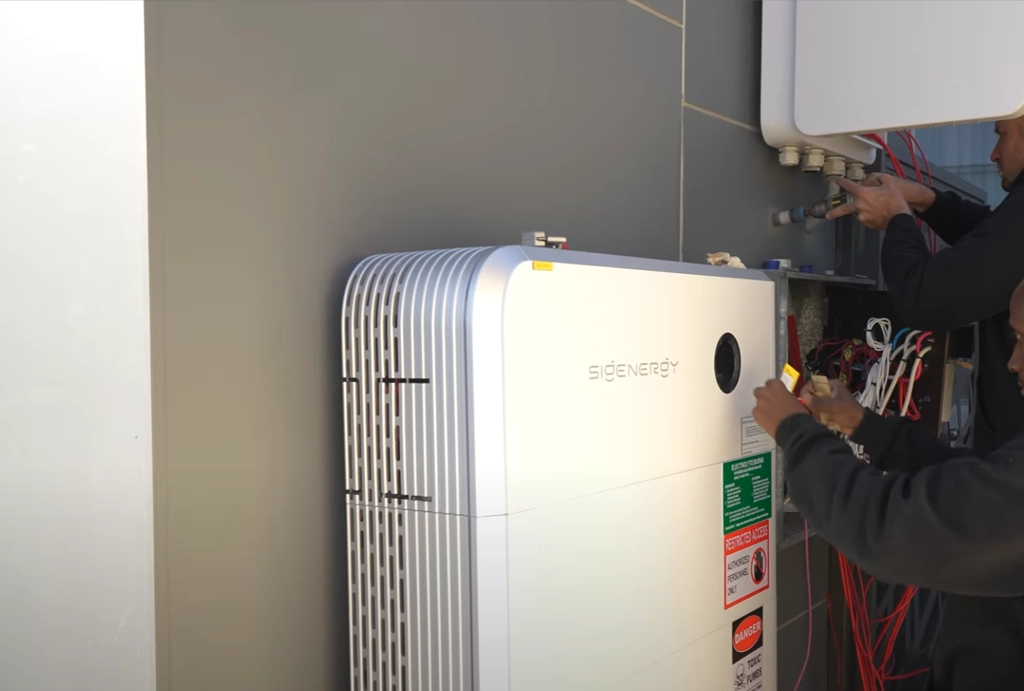
If there is any chance you will add battery storage in the next few years, it is worth sizing your solar system with that in mind from the start. A battery needs enough solar generation during the day to fill it. If your system is only just covering your daytime consumption, there will not be much left over to charge a battery.
As a rough guide, a 10kWh battery needs around 8kW to 10kW of solar to fill reliably during Townsville’s sunny days. If you install a 6.6kW system and add a 10kWh battery later, you may find the battery does not fill as fully as you expected.
Getting the solar system sized correctly from the start is cheaper than upgrading panels later. We always design with your five-year plan in mind, not just your situation today.
Worth thinking about
Things that change how much solar you will actually use
The size of your system is only half the equation. How much of that solar you actually use yourself, rather than export to the grid, depends on your daily habits and what appliances you are running during daylight hours.
Your free site assessment
What we check when we come out to your home
We do not quote over the phone and we do not send you a system size based on a suburb average. We come to your home, spend about an hour with you and look at everything that matters before we recommend anything. Here is what we cover.
Questions we get asked
Common questions about system sizing
Is a 6.6kW system enough for a Townsville home?
For a household with one or two people, or a family that is away during the day, a 6.6kW system can work well. For a larger household with multiple air conditioners running through the evening, it often falls short. The honest answer is that it depends on your usage. We check your bill before recommending anything.
Can I install a bigger system than my inverter is rated for?
Yes, and this is actually quite common. Solar panels can be oversized relative to the inverter, up to the limits set by the inverter manufacturer and the Clean Energy Council guidelines. This is called DC oversizing or clipping. In Townsville’s conditions, it often makes financial sense to install more panels than the inverter’s rated output because the panels rarely all produce at their absolute peak simultaneously.
What if my roof is not big enough for the system size I need?
We look at all available roof space during the site visit and work out the best configuration. If your available space limits the system size, we will be upfront about that and show you what is achievable. In some cases, high-efficiency panels can get more output from a smaller area.
Does the direction my roof faces really make a big difference?
In Townsville it matters less than you might think. North-facing is ideal, but east and west-facing panels still produce very well here because of the high sun hours. A split east-west array can actually be advantageous because it spreads generation across more of the day rather than peaking in the middle.
Should I get more panels now or upgrade later?
We always recommend getting as much as your roof and budget allow in the first install. Adding panels later often costs more because you are paying for another installation visit, and in some cases the new panels need to match your existing ones exactly. If you do it right the first time, you will not need to revisit this question.
How do I know if my system is the right size after it is installed?
A well-designed system in Townsville should generate around 4kWh per kW of installed capacity on a clear day. So a 10kW system should be producing around 40kWh on a good sunny day. Keep an eye on your inverter display or monitoring app. If production is consistently below that, give us a call.