
Our approach
Why we don't pick a favourite
All four batteries below are quality, CEC-listed products that we’re comfortable standing behind. Each one suits a different priority — usable capacity, backup performance, footprint, expandability, warranty length, or price. Rather than crown a winner, we’ve laid out what actually differs between them and who each option tends to suit best. See how a battery fits into a full system on our solar and battery packages page, or read about battery storage generally. If you want a recommendation specific to your roof, your usage and your budget, that’s a conversation, not a blog post — but this should get you most of the way there first.
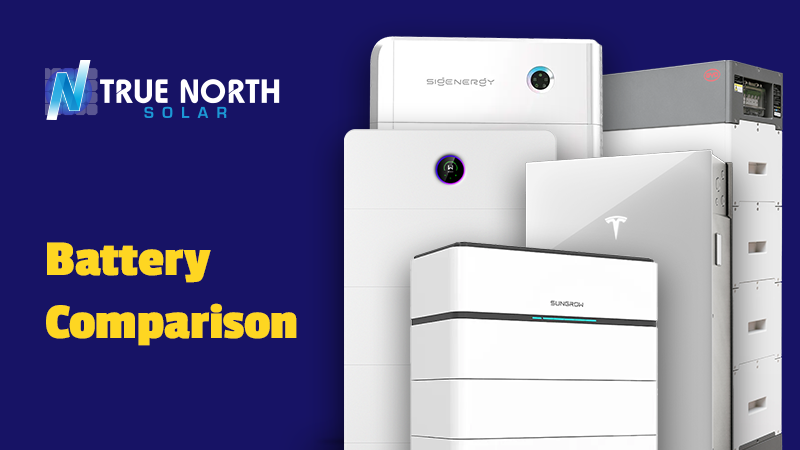
| Battery | Usable capacity range | Chemistry | Backup / blackout protection | Expandable | Warranty | Origin |
|---|---|---|---|---|---|---|
| Tesla Powerwall | 13.5 kWh per unit, stackable | Lithium iron phosphate (LFP) | Full home backup with Powerwall 3 + Backup Gateway | Yes, multiple units | 10 years | USA (Tesla) |
| Sigenergy SigenStor | 8–16 kWh+, modular | LFP | Full backup, all-in-one hybrid inverter design | Yes, add battery modules over time | 10 years | China (Sigenergy) |
| GoodWe (Lynx/GoodWe ESA) | 6.5–19.3 kWh, modular | LFP | Backup available with compatible hybrid inverter | Yes, stackable modules | 10 years | China (GoodWe) |
| BYD Battery-Box | 7.68–19.2 kWh+, modular | LFP | Backup available with compatible hybrid inverter | Yes, stackable modules | 10 years | China (BYD) |
Specifications shown are typical ranges for current models as at 2026 and vary by exact model and configuration. We’ll confirm exact specs, current pricing and rebate eligibility for the model that suits your property when we quote.
What each one is actually good at
The batteries, one at a time
Tesla Powerwall
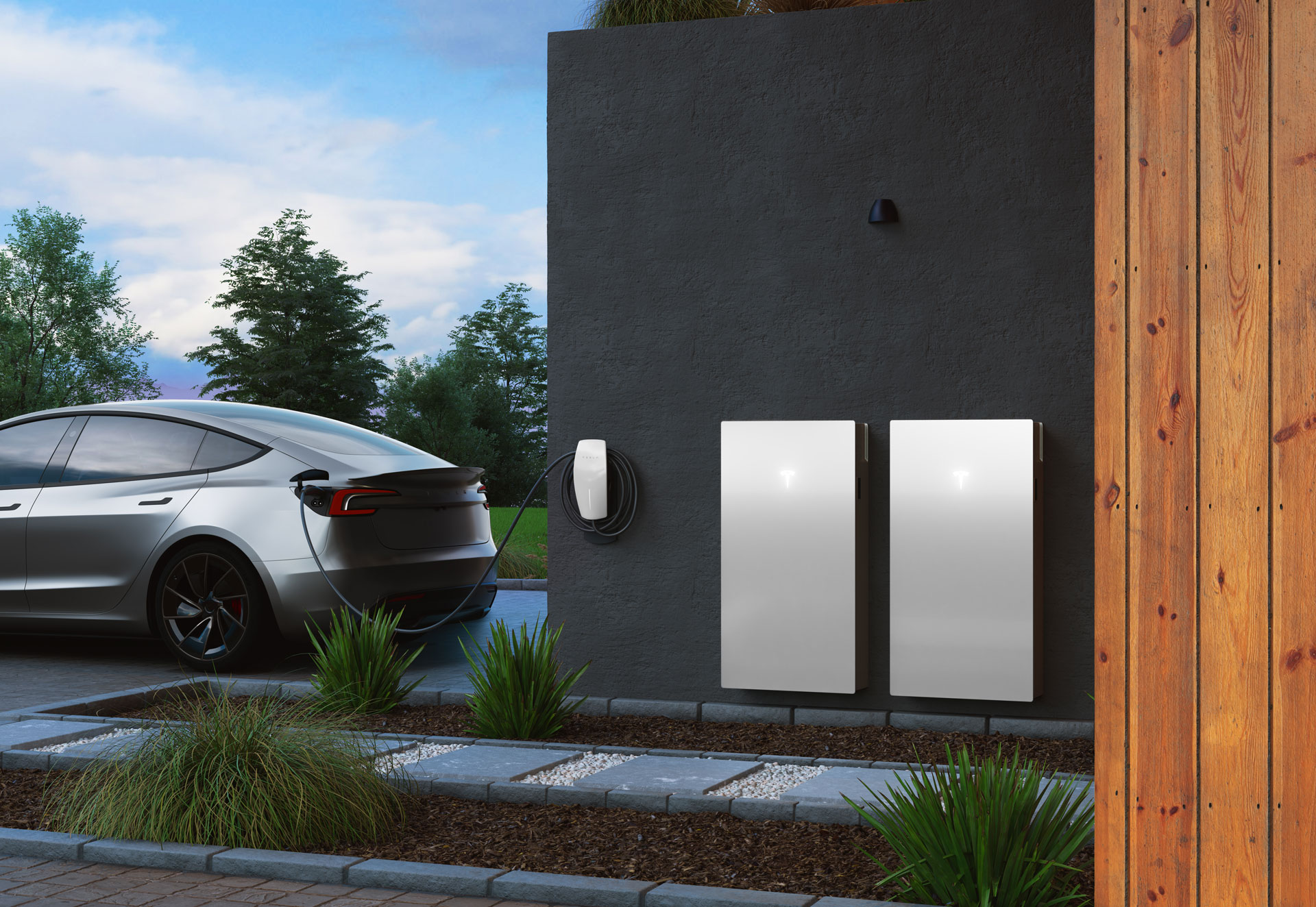
Tesla’s brand recognition and the Tesla app are the most polished in the category, and the Powerwall 3 handles whole-home backup well when paired with the Backup Gateway.
It’s a strong choice if you want a single, well-known name with a large installed base across Australia and a straightforward monitoring app.
The trade-off is less flexibility to mix and match with other inverter brands; it’s largely designed to work as a closed system.
Sigenergy SigenStor
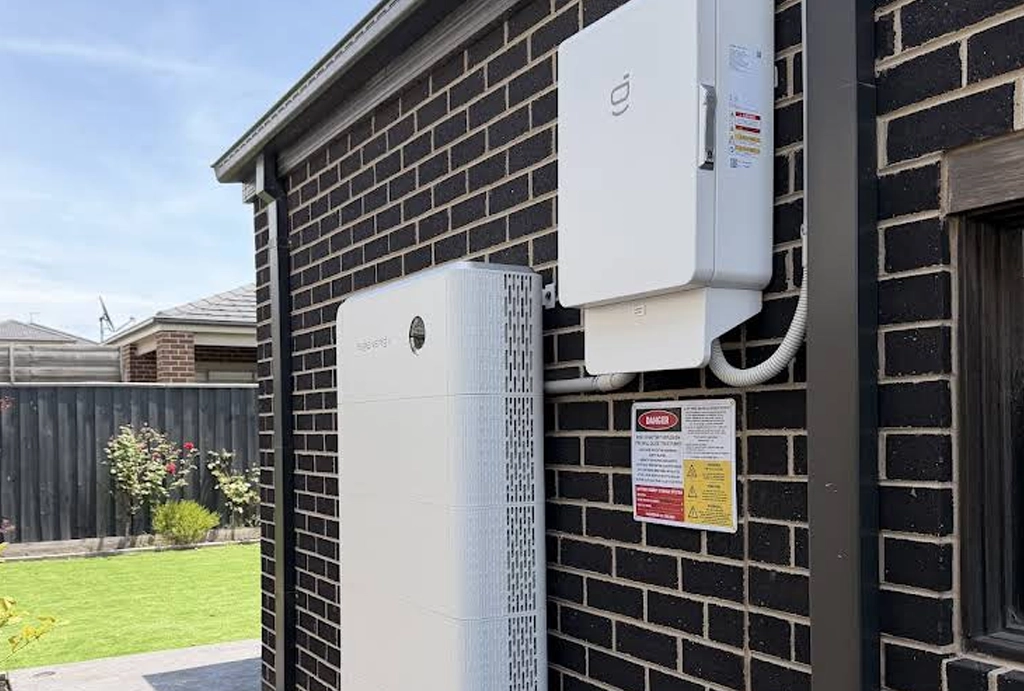
Sigenergy builds the battery and hybrid inverter as one integrated unit, which simplifies installation and keeps the whole system on a single manufacturer’s warranty and monitoring platform.
It’s a newer brand to the Australian market than Tesla or BYD, but it’s built on established supply chains and has grown quickly among installers for its all-in-one design and expandability.
Good fit if you like the idea of one company owning the whole system rather than a mix of brands. Read more about Sigenergy SigenStor.
GoodWe
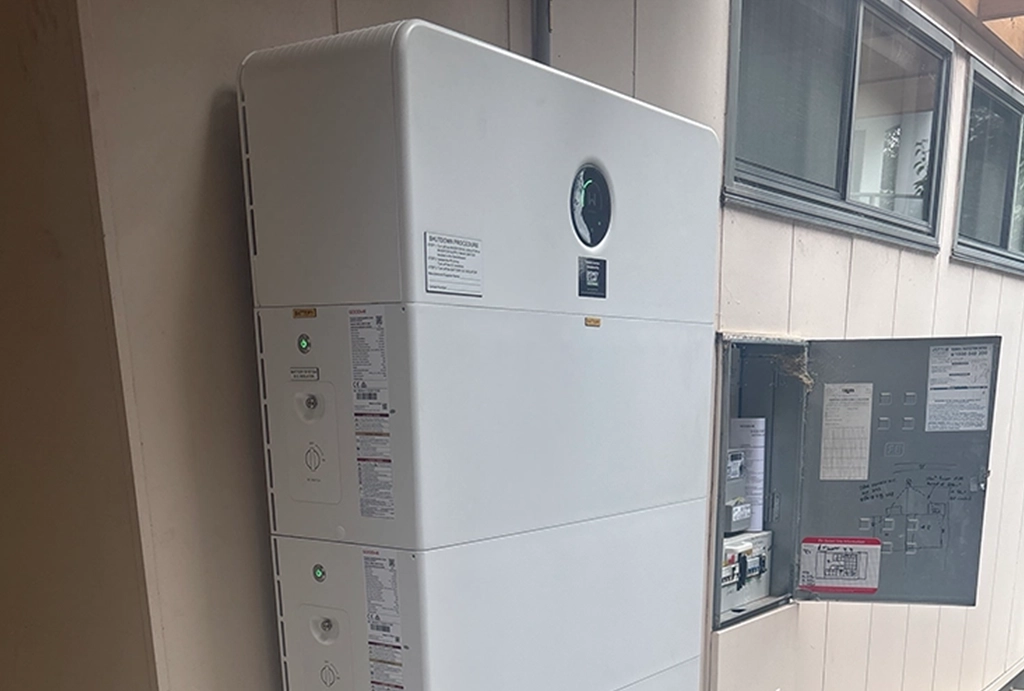
GoodWe has a long track record as an inverter manufacturer, and its battery range extends that with a modular design that’s easy to size up or down.
It tends to be a value-focused choice without cutting corners on build quality, and pairs naturally if you’re already running or considering a GoodWe hybrid inverter.
A good option if flexibility to start smaller and expand later is more important to you than having the single best-known consumer brand name.
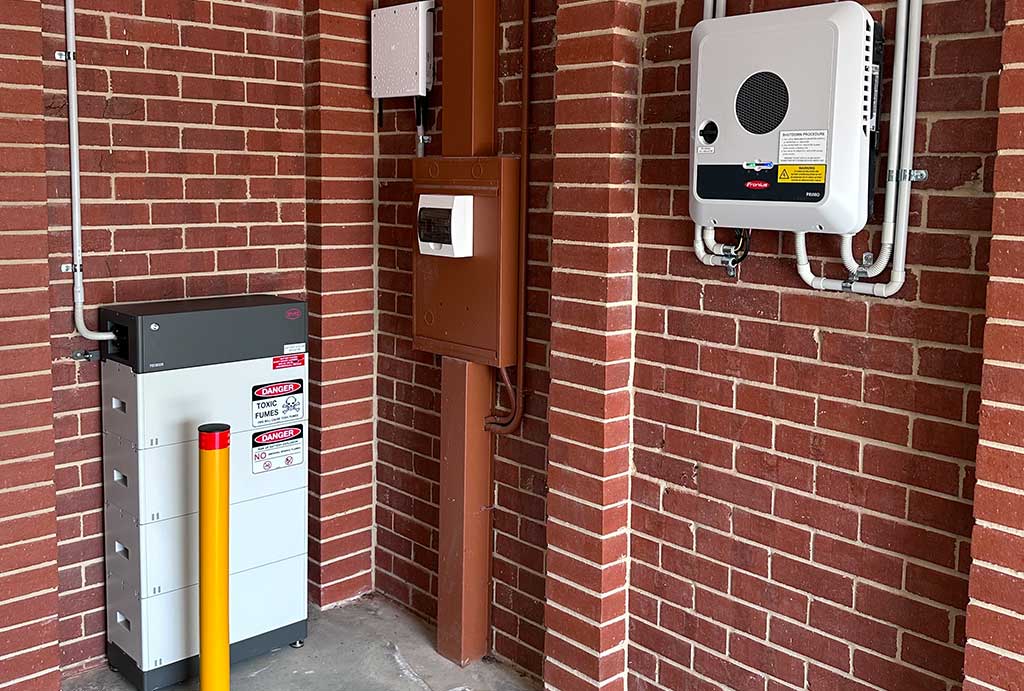
BYD Battery-Box
BYD is one of the longest-established battery manufacturers in the residential storage market, with a compact, stackable tower design that suits homes with limited wall or floor space.
It’s a mature, well-proven product with wide inverter compatibility, making it a dependable choice if you want a battery that isn’t tied to a single inverter brand.
Match the battery to your priority
How to choose between them
There’s no ranking that applies to everyone — the right battery depends on what you’re actually trying to solve. Here’s how we’d frame the decision:
Common questions
Battery comparison questions, answered
Is Tesla Powerwall better than Sigenergy?
Not necessarily — they solve slightly different problems. Powerwall has the most established consumer brand and app experience in Australia. Sigenergy offers a fully integrated inverter-battery design with strong expandability. Which is “better” depends on whether you value brand familiarity or an all-in-one system more.
What's the actual difference between GoodWe and BYD batteries?
Both use lithium iron phosphate (LFP) chemistry and modular, stackable designs, and both have long track records as manufacturers. The main practical differences come down to physical footprint, exact capacity increments per module, and which inverter brands they pair most naturally with. We’ll confirm compatibility with your existing or planned inverter before recommending either.
Do all these batteries qualify for the federal battery rebate?
Eligible battery installations from all four brands can generally access the federal Cheaper Home Batteries Program, provided the specific model and installation meet the program’s requirements. Eligibility can depend on exact model, installation date and configuration, so we confirm this for your specific quote rather than assuming.
How long do these batteries actually last?
All four brands use LFP chemistry, which typically supports 6,000 or more charge cycles and is commonly warrantied for 10 years. Real-world lifespan depends on how heavily the battery is cycled and Townsville’s operating temperatures, which is why correct sizing and installation location matter as much as the brand you choose.
Can I add one of these batteries to my existing solar system?
In most cases, yes, though it depends on your existing inverter and whether it’s designed to support battery retrofits. Some batteries (like Sigenergy’s) are part of an integrated inverter-battery system and work best as a combined upgrade. We’ll assess your existing setup first and tell you honestly which options are — and aren’t — a good fit before quoting.
Which battery is cheapest?
Price depends more on the capacity and configuration you choose than the brand itself — a small Tesla system and a small Sigenergy system, for example, can land in a similar price range, while a larger stackable GoodWe or BYD setup can cost more than a single Powerwall unit. We provide like-for-like quotes across brands so you’re comparing real numbers, not marketing prices.
Which battery handles Townsville's heat and humidity best?
All four brands use LFP chemistry rated for high-temperature climates, but real-world performance in North Queensland’s heat comes down more to installation location and ventilation than brand. A battery mounted in full sun on a west-facing wall will run hotter and degrade faster than the same unit installed in shade, regardless of brand. We factor local placement into every quote.
What size battery do I actually need?
It depends on your daily and evening power usage, your solar system size, and whether you want partial backup or full home backup during outages. As a rough guide, most Townsville households land somewhere between 10 kWh and 20 kWh of usable capacity, but the only reliable way to size it correctly is against your actual electricity bills. We’ll work this out with you as part of a free quote.
Can I mix a battery from one brand with an inverter from another?
Sometimes, but not always. Tesla and Sigenergy are largely closed, integrated systems, while GoodWe and BYD batteries are generally more flexible about which hybrid inverters they’ll pair with. Compatibility depends on the exact models involved, so we check this against your existing or planned inverter before recommending a battery.
Do any of these batteries support virtual power plants (VPPs) or time-of-use tariffs?
Most modern batteries from all four brands can support VPP participation or tariff optimisation where the inverter and monitoring platform allow it, though not every model or plan supports every VPP program. If getting paid for exporting stored power or optimising against your tariff is a priority, tell us upfront so we can confirm compatibility before you commit to a brand. See our tariff choices page for more on how this works.
Can I add one of these batteries if I don't have solar panels yet?
Yes — all four brands can be installed as part of a new combined solar and battery system, and batteries can also be added to sites without existing solar, though pairing a battery with solar generally gives you a faster payback. Have a look at our home solar packages or get in touch via our contact page to talk through what makes sense for your property.


